When almost anything can feel like a demand, everyday life can become exhausting — for your child and for you.
Getting dressed. Brushing teeth. Leaving the house. Starting schoolwork. Answering a simple question. Going somewhere they actually wanted to go.
Sometimes even hunger, thirst, needing the toilet or wanting to do something can create an internal sense of demand.
And as a parent, it can leave you wondering:
Why did that become a demand?
Why could they do it yesterday but not today?
Why did something they actually wanted to do suddenly become impossible?
And how am I supposed to know when everything seems to be a demand?
Is Everything a Demand? is a practical, neuro-affirming workbook designed to help parents and caregivers better understand demand avoidance and the everyday experiences of children with a PDA (Pathological Demand Avoidance / Persistent Drive for Autonomy) profile.
Rather than focusing on compliance or trying to make a child simply “do the thing”, this workbook encourages curiosity:
What might be underneath the refusal?
Where is the pressure coming from?
What patterns are we noticing?
What helps this particular child feel safer and more in control?
There is no one-size-fits-all approach to PDA.
This workbook gives you the space and prompts to build a deeper understanding of your child, their individual demand profile and what everyday life actually looks like for your family.
Inside You’ll Explore
What demand avoidance can look like in everyday life.
Different types of demands — including the ones we don't always recognise as demands.
Internal, indirect and everyday demands.
Real-life scenarios and opportunities to look beneath the behaviour.
Reflection activities to help identify patterns, triggers and observations.
Space to record experiences, thoughts and approaches that have helped.
Guided prompts to support ongoing understanding as your child's needs change.
Who It’s For
Parents and caregivers of children with a PDA profile.
Families exploring whether demand avoidance may be playing a role in everyday challenges.
Grandparents and extended family wanting to better understand PDA.
Educators supporting PDA children at school.
Occupational therapists, psychologists, speech pathologists and other allied health professionals.
Anyone wanting to better understand demand avoidance through a neuro-affirming lens.
Product Details
Created from lived experience, research and professional learning, Is Everything a Demand? isn't about finding another way to make a child comply.
It's about stepping away from “How do I make them do this?” and becoming curious about “Why does this feel so hard for them?”
Because sometimes the biggest shift comes from understanding the demand before trying to change the response.
Disclaimer: This workbook is an educational and reflective resource only and is not intended to provide medical, psychological, therapeutic or diagnostic advice. It does not replace individualised advice or support from a qualified health or allied health professional. Every child is different, and the information and strategies explored within this workbook may not be appropriate for every child or family.
When almost anything can feel like a demand, everyday life can become exhausting — for your child and for you.
Getting dressed. Brushing teeth. Leaving the house. Starting schoolwork. Answering a simple question. Going somewhere they actually wanted to go.
Sometimes even hunger, thirst, needing the toilet or wanting to do something can create an internal sense of demand.
And as a parent, it can leave you wondering:
Why did that become a demand?
Why could they do it yesterday but not today?
Why did something they actually wanted to do suddenly become impossible?
And how am I supposed to know when everything seems to be a demand?
Is Everything a Demand? is a practical, neuro-affirming workbook designed to help parents and caregivers better understand demand avoidance and the everyday experiences of children with a PDA (Pathological Demand Avoidance / Persistent Drive for Autonomy) profile.
Rather than focusing on compliance or trying to make a child simply “do the thing”, this workbook encourages curiosity:
What might be underneath the refusal?
Where is the pressure coming from?
What patterns are we noticing?
What helps this particular child feel safer and more in control?
There is no one-size-fits-all approach to PDA.
This workbook gives you the space and prompts to build a deeper understanding of your child, their individual demand profile and what everyday life actually looks like for your family.
Inside You’ll Explore
What demand avoidance can look like in everyday life.
Different types of demands — including the ones we don't always recognise as demands.
Internal, indirect and everyday demands.
Real-life scenarios and opportunities to look beneath the behaviour.
Reflection activities to help identify patterns, triggers and observations.
Space to record experiences, thoughts and approaches that have helped.
Guided prompts to support ongoing understanding as your child's needs change.
Who It’s For
Parents and caregivers of children with a PDA profile.
Families exploring whether demand avoidance may be playing a role in everyday challenges.
Grandparents and extended family wanting to better understand PDA.
Educators supporting PDA children at school.
Occupational therapists, psychologists, speech pathologists and other allied health professionals.
Anyone wanting to better understand demand avoidance through a neuro-affirming lens.
Product Details
Created from lived experience, research and professional learning, Is Everything a Demand? isn't about finding another way to make a child comply.
It's about stepping away from “How do I make them do this?” and becoming curious about “Why does this feel so hard for them?”
Because sometimes the biggest shift comes from understanding the demand before trying to change the response.
Disclaimer: This workbook is an educational and reflective resource only and is not intended to provide medical, psychological, therapeutic or diagnostic advice. It does not replace individualised advice or support from a qualified health or allied health professional. Every child is different, and the information and strategies explored within this workbook may not be appropriate for every child or family.


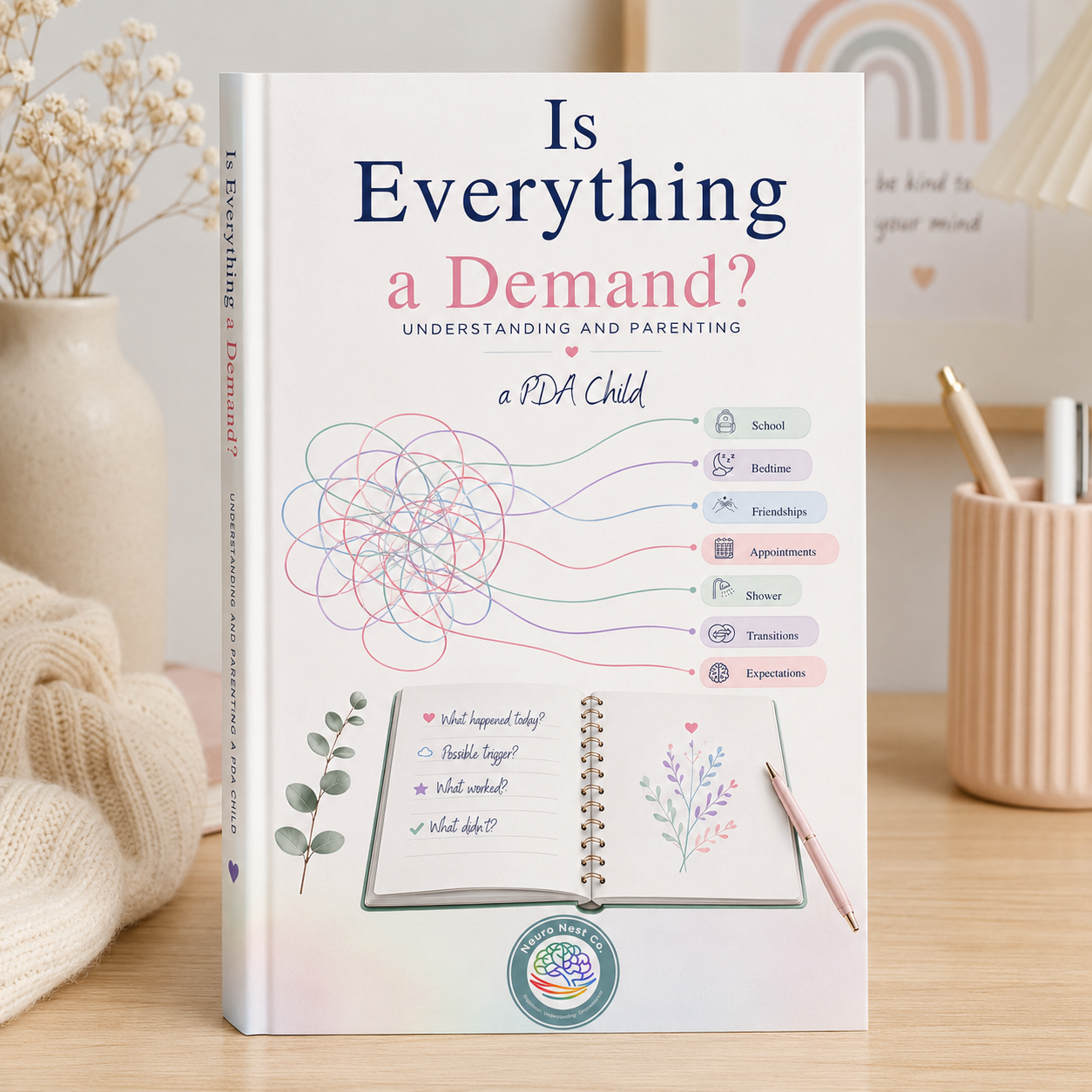 Image 1 of 6
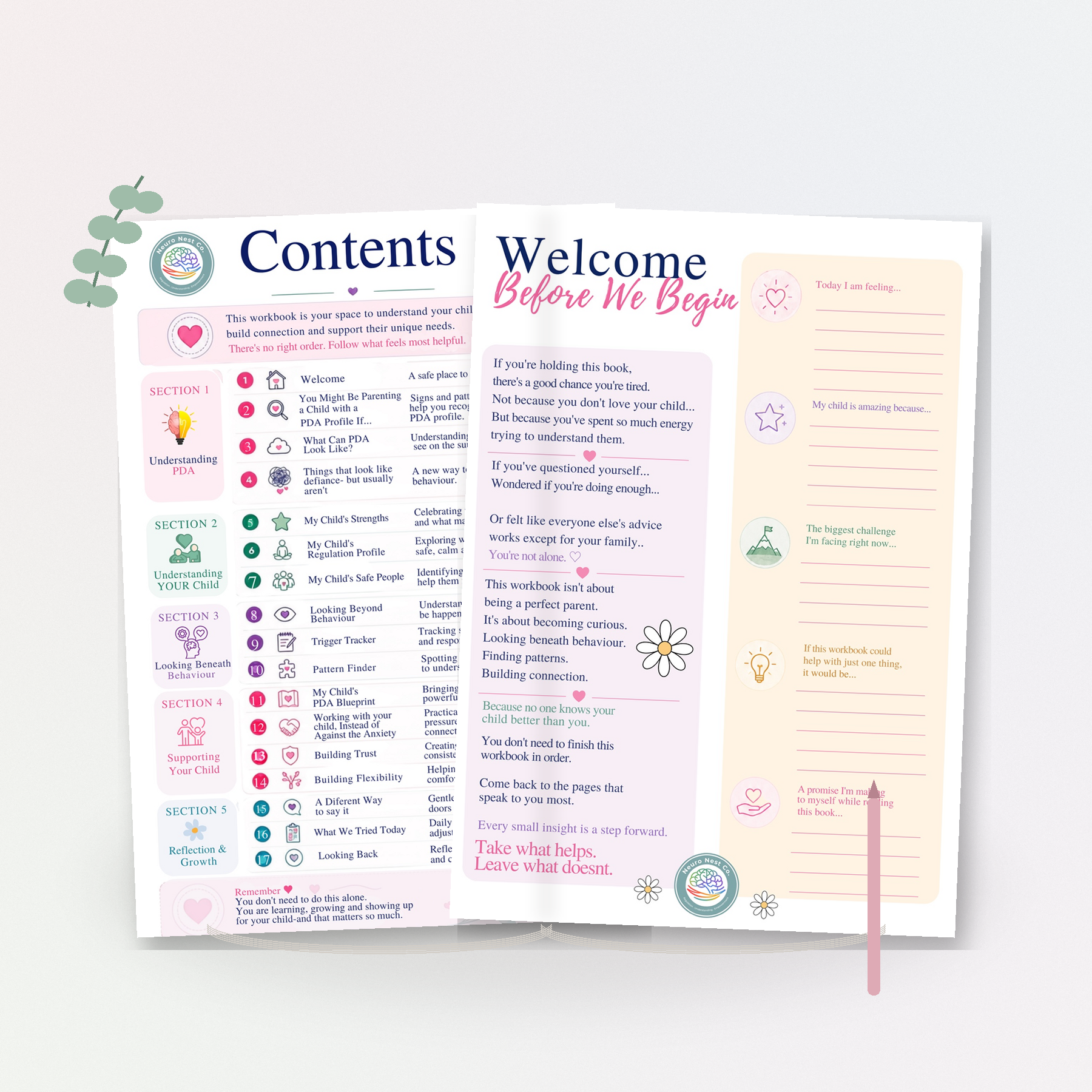 Image 2 of 6
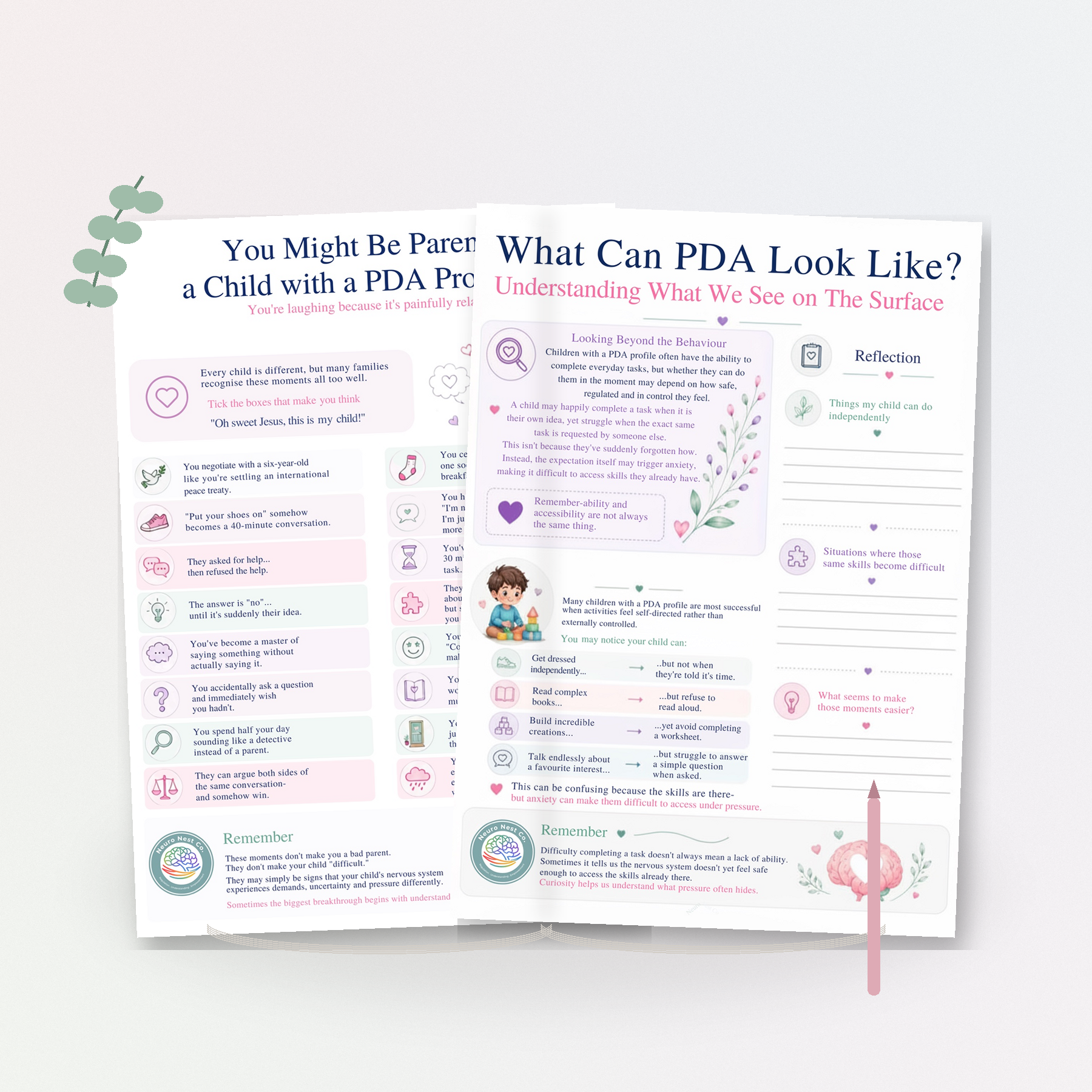 Image 3 of 6
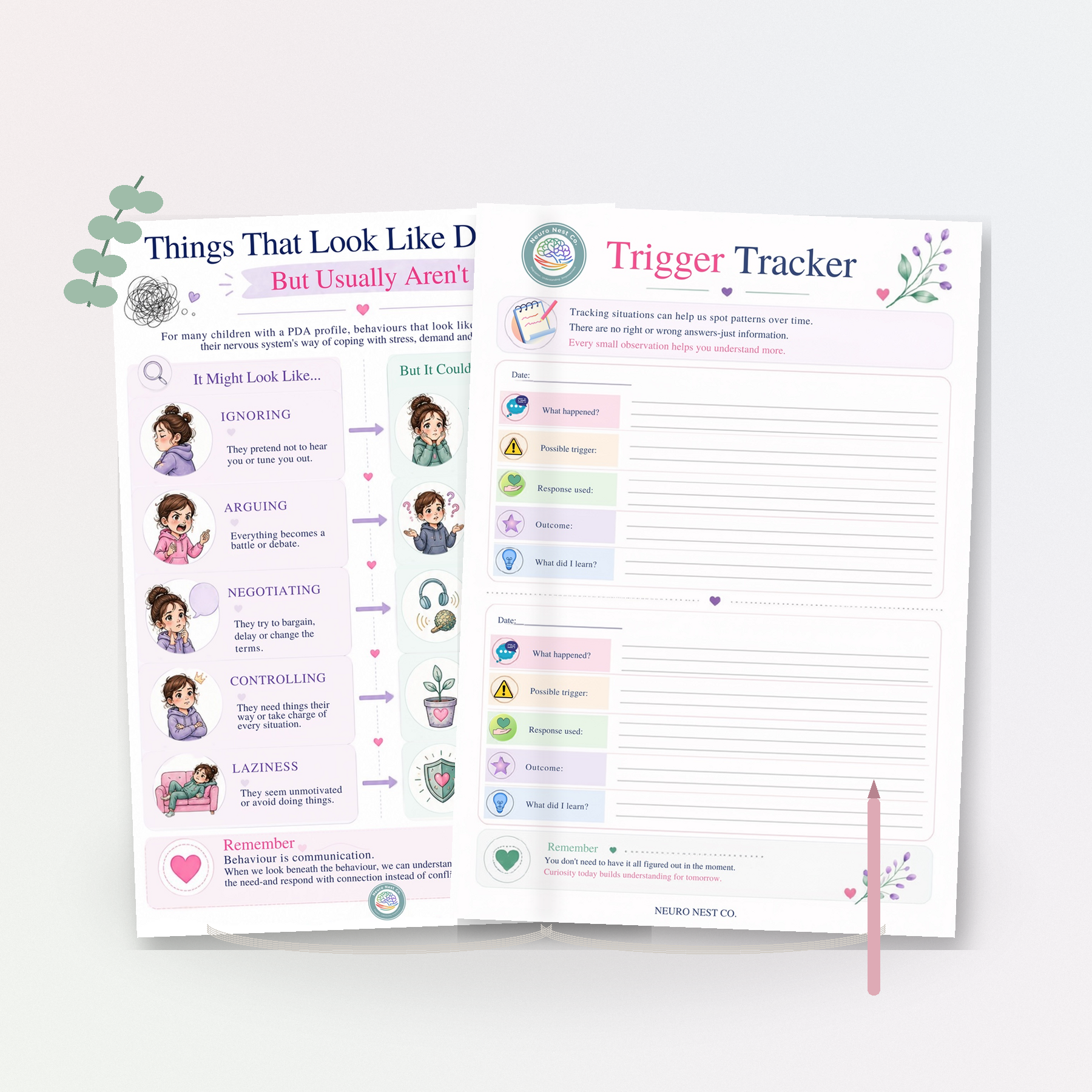 Image 4 of 6
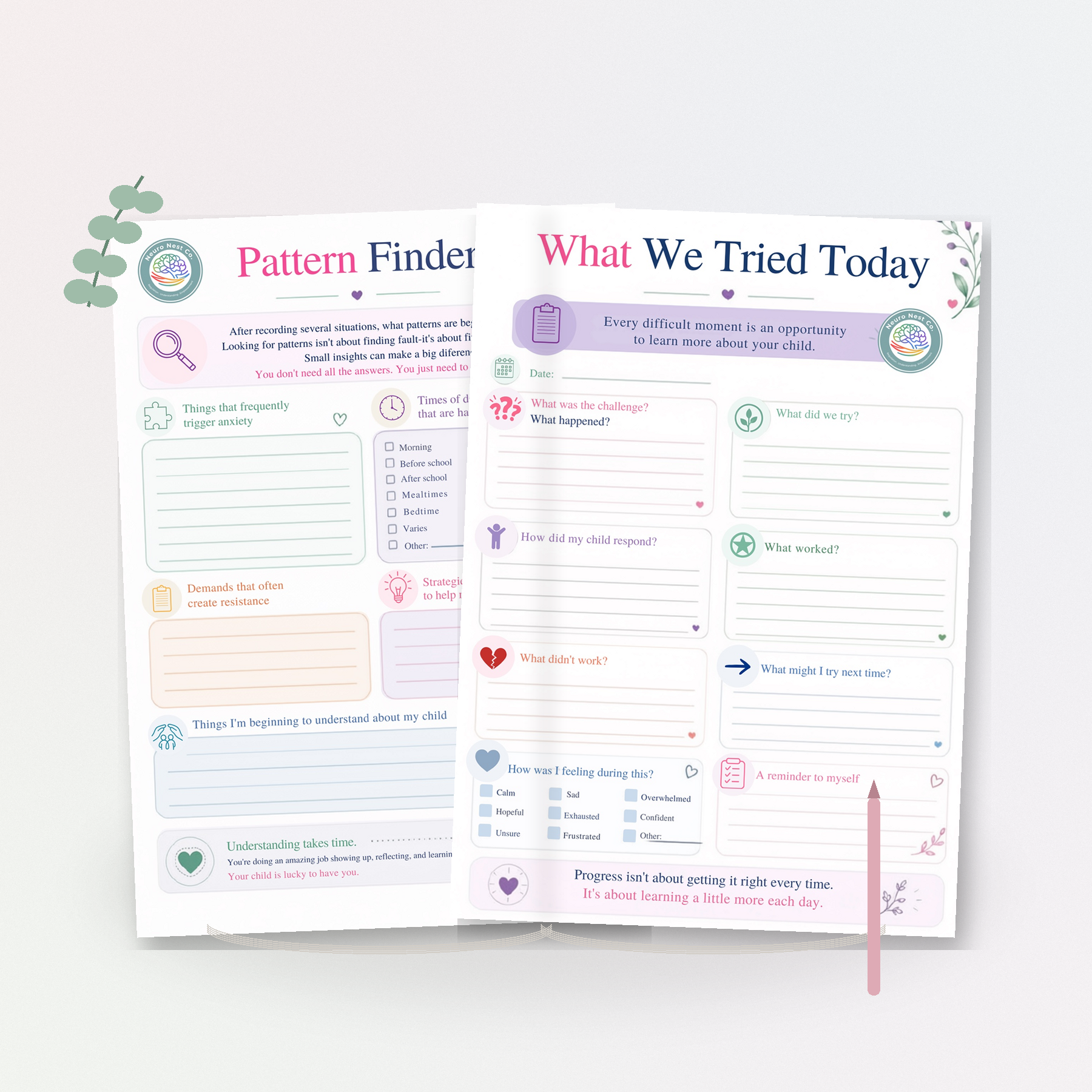 Image 5 of 6
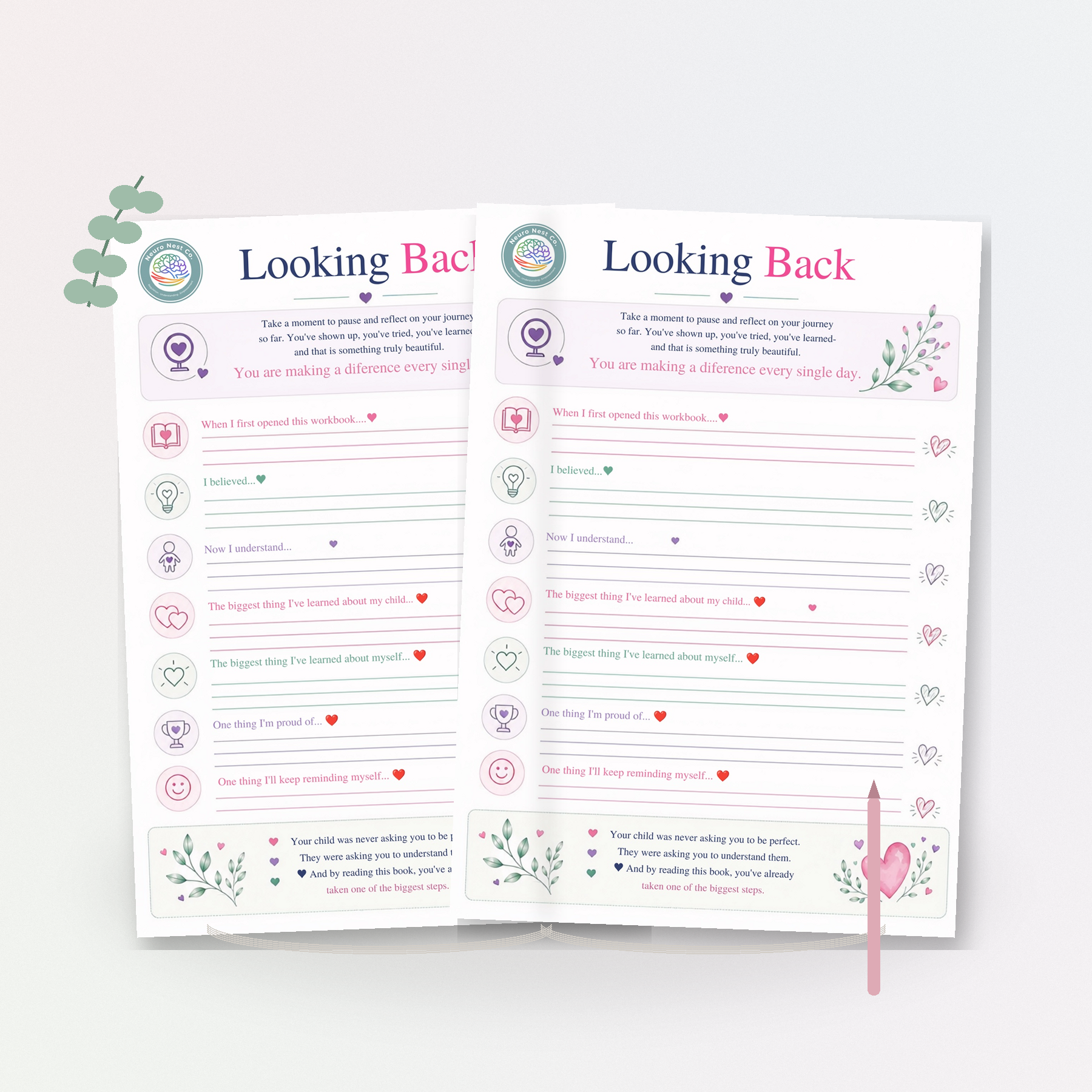 Image 6 of 6