 Image 1 of 1
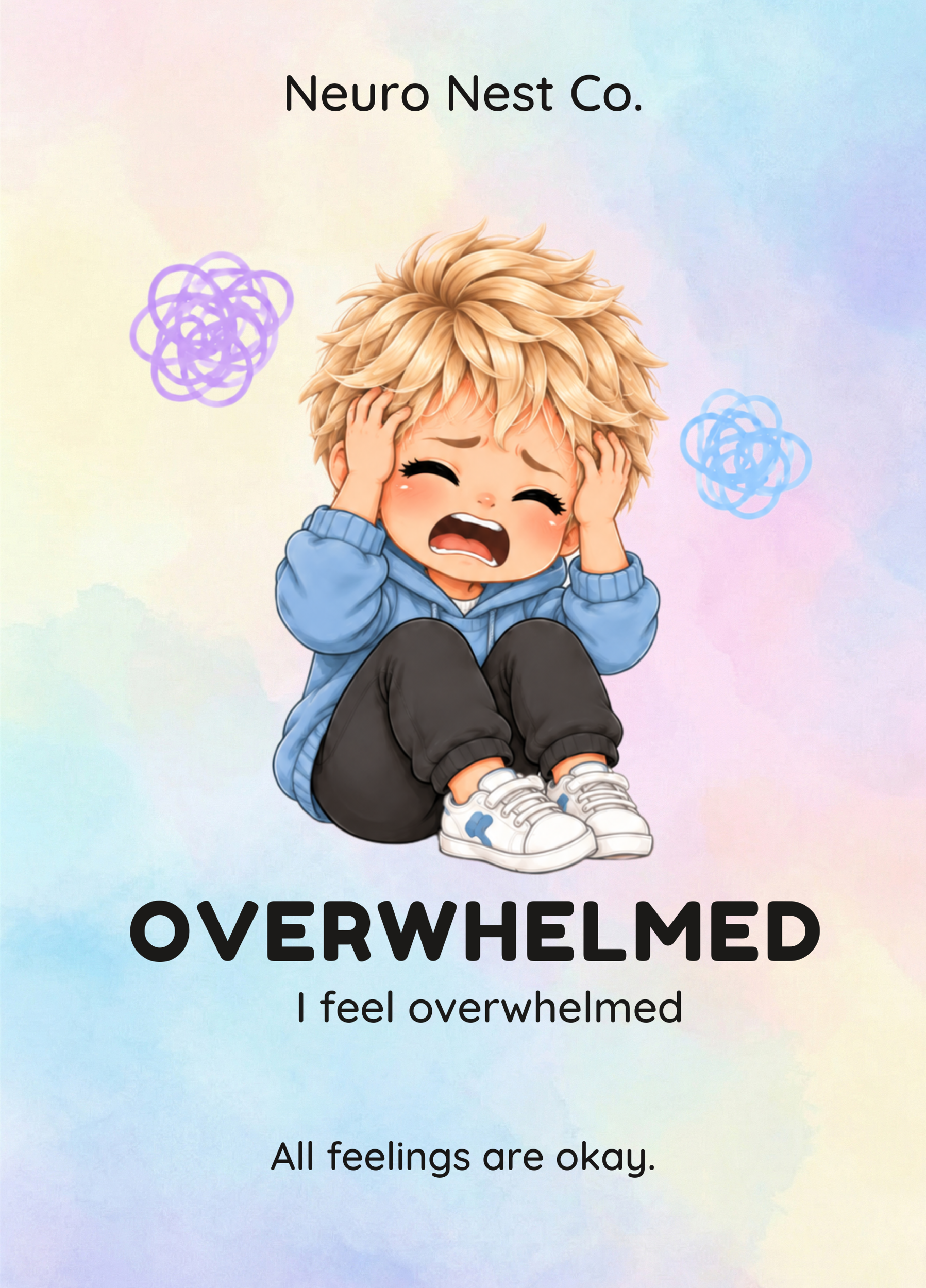
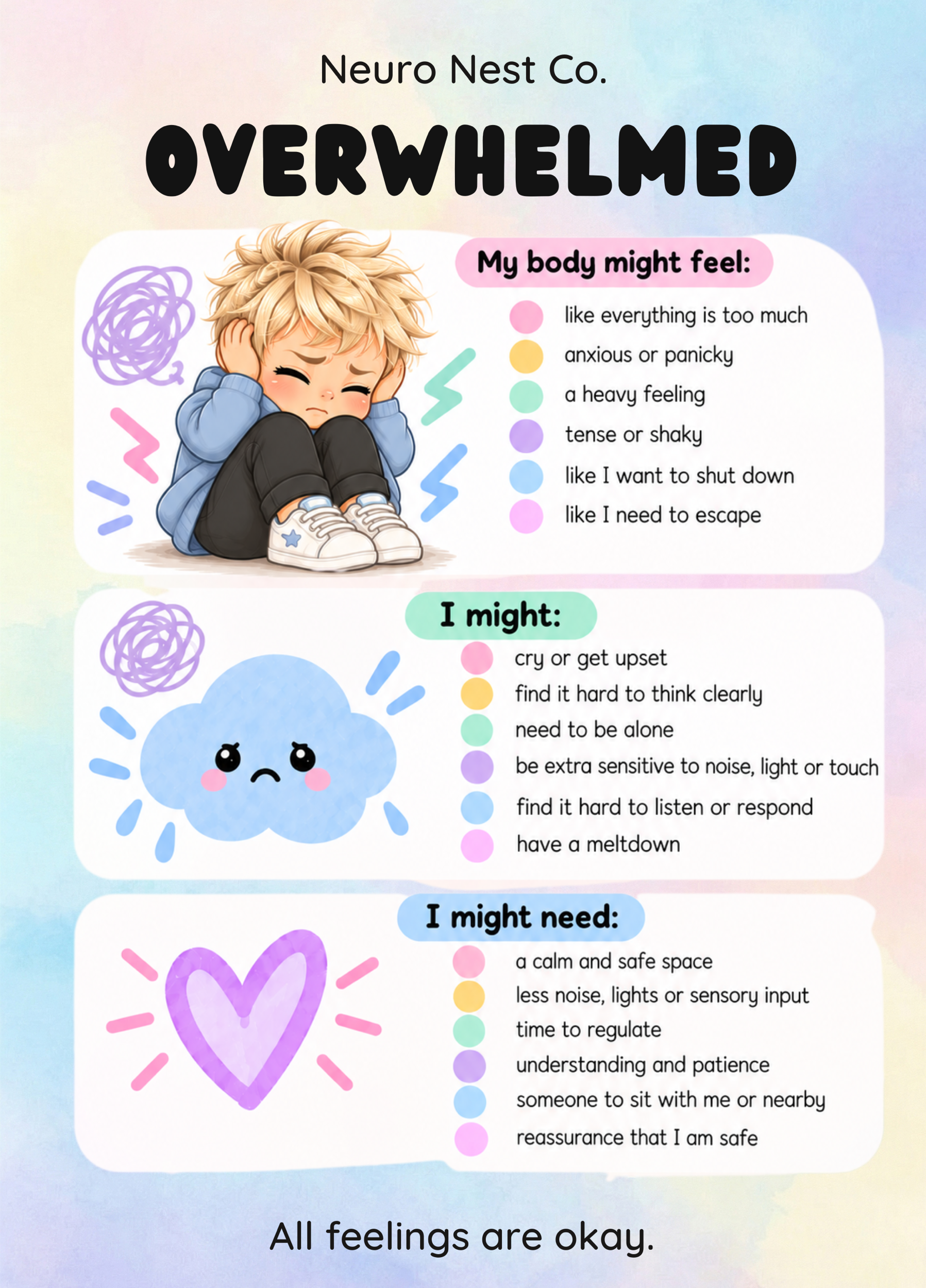
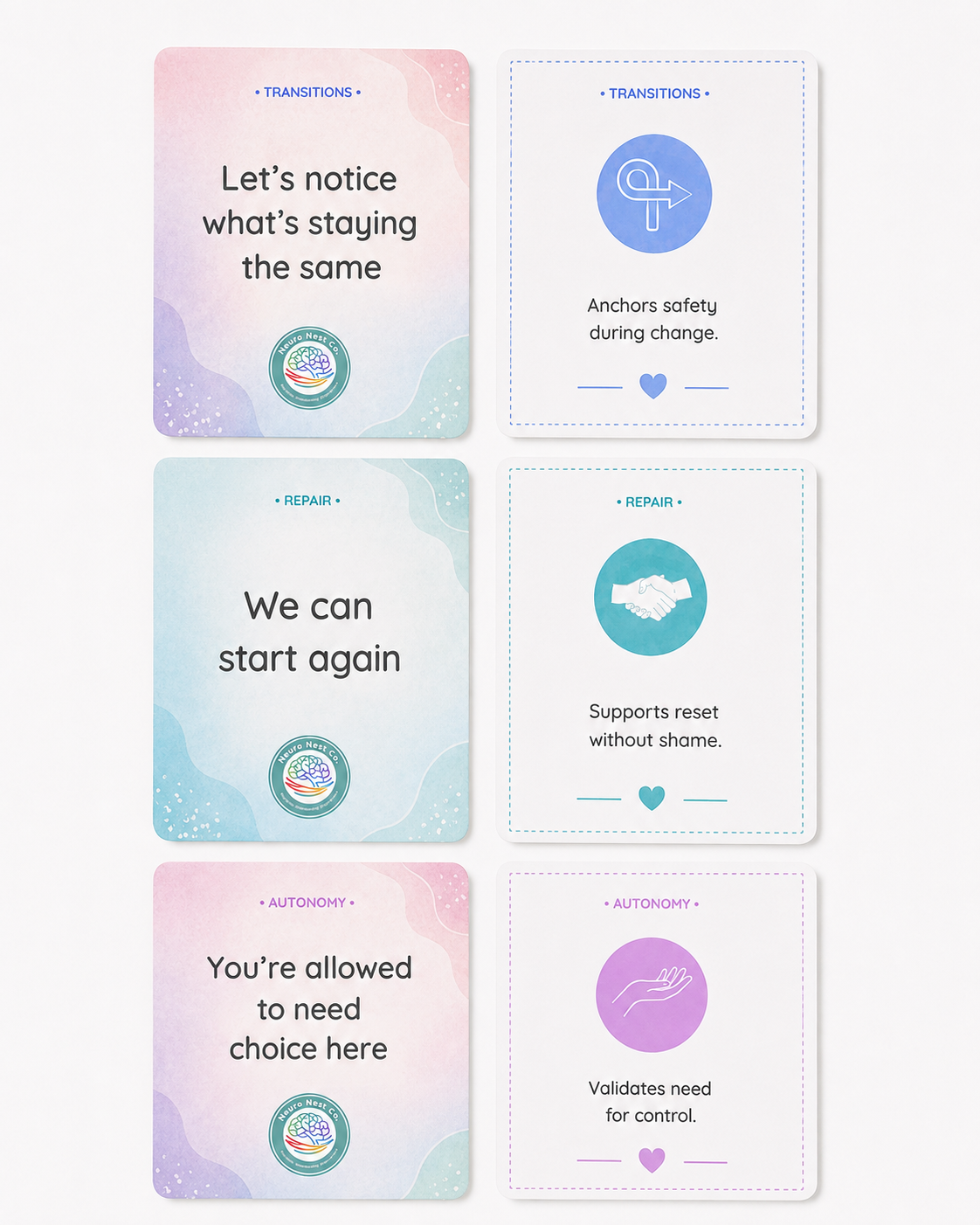
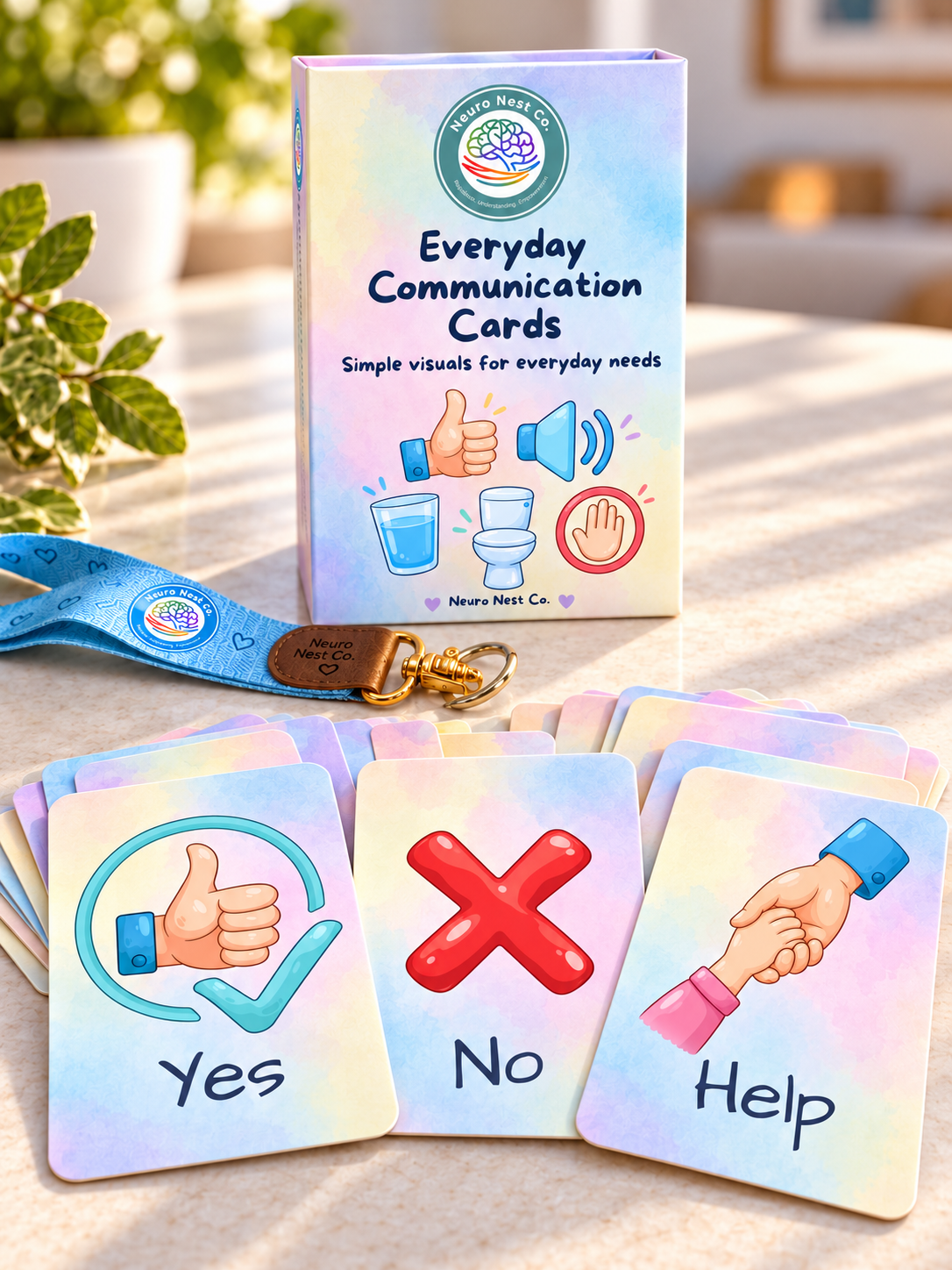
Everyday Communication Cards provide clear visual prompts to help people express basic needs, respond to questions and take part in everyday interactions.
Featuring simple responses such as “yes” and “no”, they offer a practical way to communicate without needing to find the words out loud.
Designed to help communicate everyday needs with confidence, these cards provide visual support for common requests, routines and interactions at home, school and on the go.
What are Everyday Communication Cards?
These are simple communication prompts that someone can point to or show another person to help get their message across. They can be used alongside speech or as another way to respond when speaking feels difficult, tiring or overwhelming.
Their simplicity is the point: everyday communication doesn’t always need a long explanation. Sometimes it’s about making a choice, answering a question or letting someone know what you want.
Who are they for?
Everyday Communication Cards are for people who benefit from a visual way to communicate, including:
Autistic people and people with other communication differences.
People who are nonspeaking or use limited speech.
People who usually speak but find it harder during stress, overwhelm or fatigue.
Children developing their communication skills.
Anyone who finds pointing to a clear prompt easier than giving a spoken response.
They’re also a practical resource for parents, carers, educators and support people who want to offer more accessible ways to communicate.
Why can they help?
When someone finds it difficult to respond verbally, their needs and preferences can be missed or misunderstood.
Repeating a question or asking them to “use their words” can add more pressure.
Having visual prompts available gives them another way to respond—and gives the person listening something clear to work with.
Everyday Communication Cards can help:
Make choices clearer: offer a simple way to express a preference.
Reduce pressure to speak: allow a response without requiring spoken words.
Support self-advocacy: make space for someone to communicate their own answer, including “no”.
Make everyday interactions more accessible: bring visual support into familiar routines and conversations.
Support understanding: help others hear the person’s message instead of guessing what they mean.
How to use them
Keep the cards within easy reach during everyday routines, at school or when heading out.
Introduce them during calm moments so the person has time to become familiar with them.
Offer time to respond, accept pointing or showing a card as communication, and respect the answer given.
The cards are an option to support communication, with no pressure to use them or repeat the words aloud.
Simple prompts. Everyday choices. A practical way to help people be heard.